
What constitutes the cultivation of wisdom?
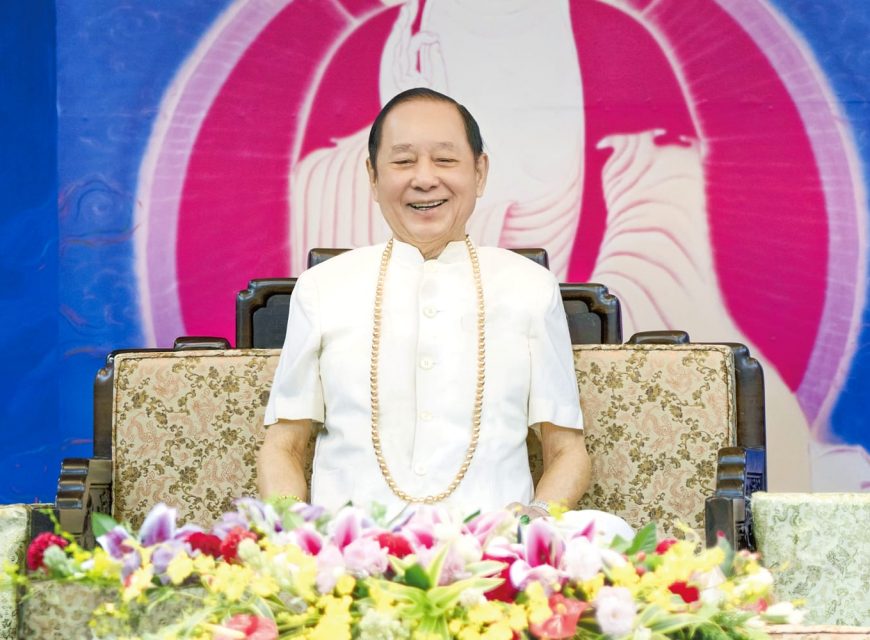
Impartation: Zen Grandmaster Wu Chueh Miao-Tien, the 85th-generation Grandmaster of the Buddhist Zen School
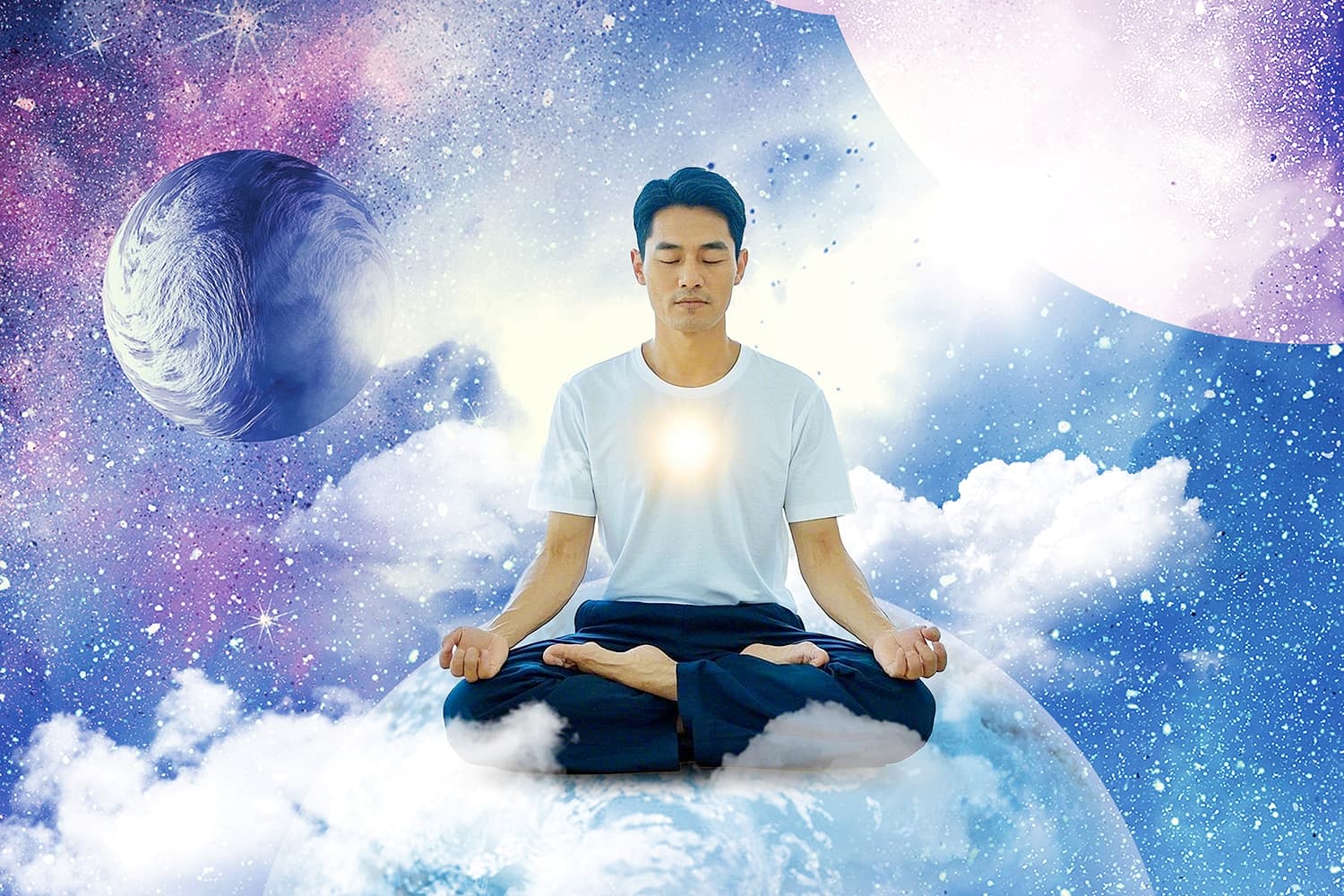
Zen meditation is the most direct and straightforward path of the Buddhist Dharma. It cannot be fully captured in words, as words themselves are merely forms. For beginners or those yet to awaken, words serve only as a general guide to lead them toward enlightenment. However, once this principle is understood, one must receive the teachings with their spirit. By resonating with Shifu (Zen Grandmaster Wu Chueh Miao-Tien) and receiving Shifu’s Divine power through the spirit, one will gradually realize the spiritual fruits.
This is why I ask you not to take notes; this is the reason. Taking notes uses the conscious mind, the “Human self”, to learn, whereas true Zen cultivation must be practiced with the spirit.
True cultivation means the “Spirit” practices, while the “Human self” carries it out. The human self must act in alignment with the “Spirit”; one must never distance themselves from or abandon their Original Heart. Instead, the two (Human self, Original Heart) must merge and become one.
While the Original Heart is steadfast and unmoving, the human heart (consciousness) is in constant flux, shifting thousands of times in a single second. Our practice is to make the human heart just like the Original Heart: immovable. This is what we call Oneness. This balance of body and heart is where the spirit of Zen resides.
Therefore, during meditation, one must achieve this oneness of body and heart. Upon reaching this state, one enters the Dharma Realm of True Emptiness and transcends the Three Realms (Realms of Desire, Form, Formless). In this state, time and space cease to exist; therefore, one is no longer subject to the obstructions of time or space.
Without the obstructions of time and space, there are no obstructions of the physical body. Free from physical obstructions, one no longer experiences physiological pain, mental blockages, or the existence of affliction and suffering. One thus transcends the mental world and enters directly into the Dharma Realm of True Emptiness, beyond the Three Realms.
Once you transcend the Three Realms, the Four Forms—the sign of self, the sign of person, the sign of sentient beings, and the sign of lifespan—cease to exist. If these forms remain, one continues to drift in Samsara, subject to the cycle of birth and death, suffering, and the Five Poisons: “greed, anger, ignorance, arrogance, and doubt.”
It is precisely because of these forms and these restless hearts that our body and heart are pulled down to the lower realms of existence, bound to endure pain and hardship.
We must transcend these limitations. Once we do, we can master the most sublime wonders of the world and the universe, bringing all things to perfect fulfillment and completion. This is the essence of Heart-Imprint Zen Dharma. It is the most direct method—the only gateway that “points directly to the human heart, to witness one’s Buddha nature and attain Buddhahood.”
Therefore, whether in life, work, or study, you must harmonize with this spirit of Zen. This requires concentration; for example, whatever you do, commit to it with your whole heart. This is the highest level of wisdom.
When you return to your inner pure land and witness your true reality, though you remain in the human world, all your thoughts and actions become the thoughts and actions of a Buddha. Everything you do will reach a state of perfect fulfillment, absolute purity, and supreme goodness. In this world, you can achieve a successful career and embody a perfect character.
English Translation: Chueh Miao Gong-Ming, Chueh Miao Dao-Lian
看下一篇文章
看上一篇文章

|
|








關注我們
加入Line@官方帳號